


How to Style Conscious Streetwear: A Guide
Table of Contents
- What Defines Conscious Streetwear
- Essential Pieces for a Conscious Streetwear Wardrobe
- Mastering Layering Techniques for Street Style
- Choosing the Right Fit and Silhouette
- Ethical Streetwear Styling Tips and Fabric Quality
- Alternatives to Mainstream Streetwear Brands
- Building a Capsule Wardrobe Strategy
- Care and Maintenance for Longevity
- Frequently Asked Questions
Last Updated: September 30, 2026
What Defines Conscious Streetwear
Style conscious streetwear is clothing designed with intention. It reflects your values through fabric choices, ethical production, and meaningful design. Unlike mass-market alternatives, conscious streetwear prioritises quality, durability, and cultural significance.
At Reggae Store, this means blending reggae consciousness with street-smart sophistication. Each piece carries purpose, bold graphics tied to social movements, Pan-African heritage, and reggae culture. The unisex fit works for all ages and body types. You're not just wearing clothes; you're wearing your beliefs.
Essential Pieces for a Conscious Streetwear Wardrobe
Building a solid conscious streetwear foundation means choosing versatile pieces that layer well and feel authentic to your style.
Statement Tees and Graphic Pieces
A strong graphic tee anchors any style conscious streetwear wardrobe. Look for designs that resonate with your values, Pan-African consciousness, political messaging, or cultural pride.
Quality matters. The fabric should feel substantial, seams reinforced, and the print should withstand washing without cracking or fading. Reggae Store's Reggae Tees collection features pieces like the No Kings Tee, which carries Jamaica's sovereignty and cultural independence, and the Plagiarise My Humanity Tee, which speaks to intellectual consciousness and Pan-African thought. Both come in rich off-tones, reddish, blueish, purplish, that feel more sophisticated than basic black or white.

A good statement tee should feature bold, thought-provoking graphics, use premium fabric, come in neutral earthy tones that mix easily, and spark conversation without being preachy.
Layering with Hoodies and Jackets
Hoodies and jackets transform your wardrobe. In conscious streetwear, they're design statements, not just functional pieces.
The No Kings Incognito Hoodie demonstrates how subtlety works, understated but intentional design for activists and campaigners at outdoor events. The Autumnal Activist Jacket brings warmth and bold reggae-inspired graphics together, designed for cooler months at rallies and community gatherings. Both pieces from our Hoodies & Jackets line feature unisex fits that work across ages and body types.
When choosing hoodies and jackets, prioritise comfort and warmth, look for subtle design details, choose neutral earthy tones, check for reinforced seams, and ensure the fit allows layering without bulk.
Mastering Layering Techniques for Street Style
Layering is where conscious streetwear becomes an art. The basic rule: start fitted, go loose, then fitted again. This creates visual balance.
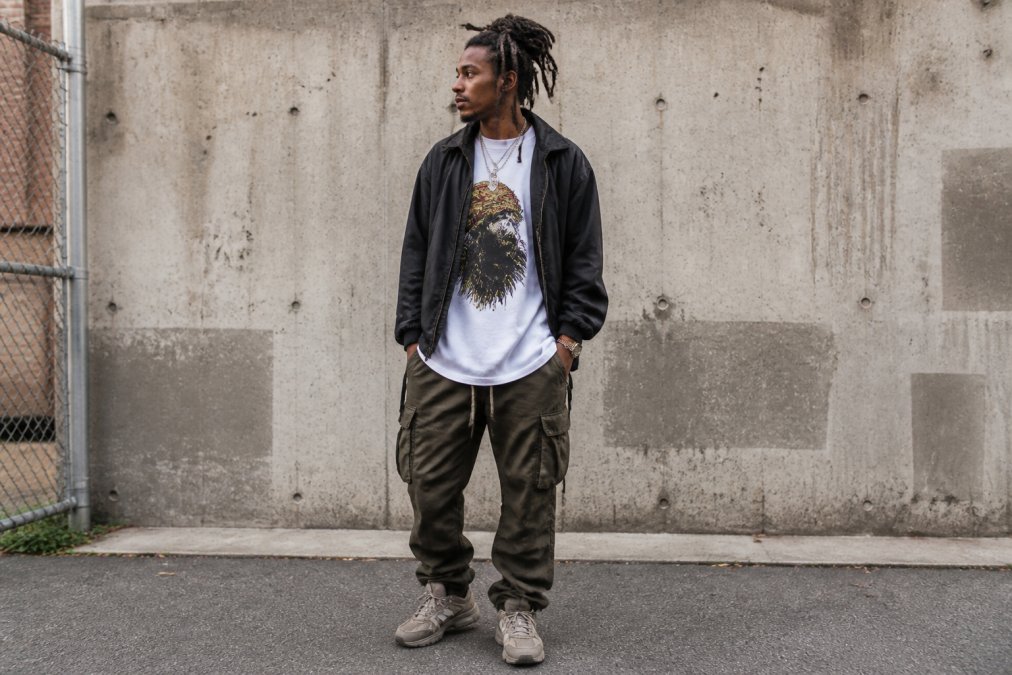
Start with a fitted base layer, add an oversized tee or graphic piece on top, then finish with a structured jacket or hoodie. Texture matters, mix smooth cotton with heavier knit fabrics. Proportion is critical: if your base is tight, your middle layer should be loose. Balance prevents the shapeless look.
Effective layering techniques: fitted base + oversized graphic tee + structured jacket; long-sleeve shirt + oversized hoodie + open overshirt; fitted tee + oversized button-up worn open + casual jacket; graphic tee + unstructured hoodie + tailored overshirt.
Choosing the Right Fit and Silhouette
Fit determines whether conscious streetwear looks sharp or sloppy. Unisex fits offer freedom but require understanding how to style them for your body. An oversized piece isn't meant to hide you; it's meant to create proportion.
If you're smaller-framed, pair oversized pieces with fitted layers underneath. Tuck the front of an oversized tee into high-waisted trousers or use a belt to define your waist. If you're larger-framed, oversized pieces offer comfort without clinging; pair them with structured jackets to create definition.
Length matters. A tee hitting mid-thigh works differently than one hitting your hips. Longer pieces ground a look; shorter pieces feel more fitted and intentional. Shoulders should sit at your shoulder point, sleeves should end near your wrist bone, and the overall silhouette should feel balanced, not drowning.
Ethical Streetwear Styling Tips and Fabric Quality
Conscious streetwear demands scrutiny of both materials and manufacturing. Most mainstream brands obscure how garments are made; conscious alternatives make it visible.
Understanding Fabric Quality and Durability
Premium streetwear typically uses cotton between 200-280 gsm (grams per square metre). Anything below 150 gsm feels thin and flimsy; above 280 gsm becomes heavy and stiff. Heavier fabric resists pilling, fading, and shape loss through repeated washing.
Double-stitched seams last significantly longer than single-stitched ones. Look for reinforced stitching at stress points: armholes, shoulder seams, and hem lines. Screen-printed graphics should feel slightly raised and textured, not flat or plasticky. The real test: does the print crack, fade, or peel after five washes?
Organic cotton is grown without synthetic pesticides or fertilisers, reducing environmental harm. Look for GOTS (Global Organic Textile Standard) certifications. Cotton-polyester blends (typically 80/20 or 70/30 ratios) can work if cotton content dominates; avoid blends under 50% cotton for conscious streetwear.
Identifying Ethical Manufacturing and Sourcing
Fabric quality means nothing if the garment was made under exploitative conditions. Conscious brands disclose where garments are made, this isn't hidden in fine print.
Look for third-party certifications verifying fair labour practices. The Fair Trade Certified mark indicates workers earned fair wages and worked in safe conditions. The SA8000 standard certifies ethical labour practices across factories. Conscious brands typically produce in smaller runs than mass-market alternatives, reducing waste and allowing quality control.
The most transparent brands name their factories or production partners and publish annual impact reports detailing wages, working conditions, and environmental metrics. If a brand can't discuss its supply chain, assume it has something to hide. Conscious streetwear costs more than fast fashion because it pays workers fairly and uses better materials.
Evaluating Conscious Credentials: A Practical Checklist
When assessing whether a brand or piece aligns with conscious values:
- Does the brand publish information about where garments are made?
- Are fabrics described by weight, fibre type, and source?
- Are seams reinforced and visibly well-constructed?
- Does the brand hold labour or environmental certifications?
- Are production runs limited, or is the same design available indefinitely?
- Does the design carry cultural, political, or social meaning?
- Can you find customer reviews mentioning durability after multiple washes?
Alternatives to Mainstream Streetwear Brands
Mainstream streetwear prioritises trend cycles and volume. Conscious alternatives prioritise durability, meaning, and cultural integrity.
Why Conscious Brands Think Differently
Mainstream brands release new collections every 4-8 weeks, designed to feel obsolete quickly. Conscious brands release fewer pieces, designed to remain relevant for years. A mainstream graphic tee might feature trendy aesthetics with no deeper meaning. A conscious graphic tee carries a message tied to reggae culture, Pan-African consciousness, political activism, or social movements.
Conscious brands resist pressure to chase every demographic. Many embrace unisex or inclusive sizing specifically because gendered cuts reinforce narrow beauty standards. This is a values choice, not a marketing angle.
The Role of Cultural and Political Messaging
Conscious streetwear often emerges from or speaks to specific cultural movements. Reggae culture carries deep roots in Rastafarianism, Pan-Africanism, and resistance to colonialism and systemic oppression. Streetwear inspired by reggae isn't just aesthetic, it carries the history and politics of the movement.
When evaluating conscious brands, ask: What movement or culture does this design reference, and does the brand respect that heritage? A brand using reggae imagery without connection to reggae culture or Black history is appropriating, not honouring.
Evaluating Brand Authenticity and Values Alignment
Research the brand's origin story. Did it emerge from a specific community or movement? Does the founder have lived experience with the culture or cause the brand represents?
Common Traits of Authentic Conscious Brands
- Limited production runs made in smaller batches
- Transparent sourcing disclosing where and how garments are made
- Cultural grounding with designs referencing specific movements, histories, or communities with respect
- Quality-first materials chosen for durability
- Activist alignment supporting causes related to their messaging
- Unisex or inclusive sizing resisting gendered cuts
- Longevity focus with pieces designed to last years
- Community engagement collaborating with or crediting represented communities
Choosing conscious alternatives is activism. Every purchase signals what you value. When you buy from a brand rooted in reggae culture and Pan-African consciousness, you support artists, designers, and activists keeping those movements alive. You reject the fast-fashion model exploiting workers and damaging the environment.
Building a Capsule Wardrobe Strategy
A capsule wardrobe is a small collection of pieces that mix and match endlessly. Start with a colour palette: 2-3 neutral base colours (black, grey, cream, navy) and 2-3 accent colours (burgundy, forest green, rust).
Care and Maintenance for Longevity
Quality conscious streetwear deserves proper care. Wash less often, this is the single biggest factor in longevity. Wear pieces 2-3 times before washing. Spot-clean stains instead of full washes.
| Maintenance Task | Frequency | Impact |
|---|---|---|
| Wash garment | Every 2-3 wears | Preserves colour and fabric |
| Spot-clean stains | As needed | Extends time between full washes |
| Air-dry | Always when possible | Prevents shrinkage and damage |
| Check seams | Monthly | Catches damage early |
| Fold or hang | After each wear | Maintains shape and structure |
| Store properly | Always | Prevents fading and deterioration |
Frequently Asked Questions
What is the 3-3-3 rule for styling conscious streetwear outfits?
The 3-3-3 rule simplifies outfit building: choose 3 base colours for your palette, 3 key silhouettes (oversized, fitted, and neutral), and 3 statement pieces that express your values. This approach helps you mix and match conscious streetwear pieces intentionally, ensuring each outfit feels cohesive whilst allowing your Pan-African consciousness and reggae identity to shine through without overwhelming your look.
How do I balance bold statements with everyday street-smart style?
Pair one statement piece with neutral basics. If you're wearing a graphic tee with a thought-provoking message, balance it with understated trousers or joggers in earthy tones. Layer strategically with an incognito hoodie or jacket that lets your presence speak without shouting. This approach keeps your outfit wearable for work, casual hangouts, and outdoor campaigns whilst maintaining the intentional, conscious aesthetic.
Why is it important to choose sustainable materials in conscious streetwear?
Sustainable materials reduce environmental harm and often offer better durability and comfort. When you choose conscious streetwear made from quality textiles, your pieces last longer, reducing waste and the need for constant replacement. This aligns your fashion choices with your values, ensuring that what you wear reflects not just your Pan-African consciousness but your commitment to protecting the world you're fighting for.
How can I build a capsule wardrobe using ethical streetwear brands?
Start with versatile essentials: unisex tees, a quality hoodie, and layering pieces in a consistent colour palette of earthy, off-tones. Choose pieces that work across seasons and occasions, from community gatherings to everyday wear. Focus on durability and garment construction quality rather than quantity. Invest in statement pieces that align with your values, then build outfits by mixing them with neutral basics, creating multiple looks from fewer, intentional items.