


7 Ways to Incorporate Reggae Culture Into Daily Life
Table of Contents
- 1. Build Your Foundation With 5 Essential Roots Reggae Artists for Beginners
- 2. Express Yourself Through Conscious Streetwear Fashion
- 3. Weave Reggae Into Your Daily Music and Sound System
- 4. Engage in Social Justice and Activism
- 5. Connect With Your Heritage and Black History
- 6. Share Reggae Culture With Children Through Play and Learning
- 7. Celebrate Reggae Culture Through Art, Home Décor, and Community
- Frequently Asked Questions
Last Updated: September 28, 2026
1. Build Your Foundation With 5 Essential Roots Reggae Artists for Beginners
Reggae culture runs deeper than catchy melodies. It's rooted in social upheaval, spiritual consciousness, and a philosophical commitment to justice that shaped entire generations. For anyone serious about learning 7 ways to incorporate reggae culture into daily life, understanding the foundational artists is non-negotiable.
The five essential roots reggae artists every beginner should know are Bob Marley, Peter Tosh, Burning Spear, Toots Hibbert, and Dennis Brown. These musicians didn't just create soundtracks, they articulated the heartbeat of a movement. Bob Marley's "Redemption Song" became an anthem for liberation. Peter Tosh's defiant stance against oppression influenced activists worldwide. Burning Spear's Rastafarian consciousness shaped how millions understood cultural identity and heritage.
Starting with these artists transforms how the listener engages with reggae. Their music carries layers of meaning: rhythmic grooves paired with socio-political messaging that demands reflection. The vibration of reggae isn't just sonic, it's philosophical. Each track invites the listener into a consciousness rooted in Pan-African pride, social justice, and spiritual awakening.
The Reggae Vibes Ultimate Curated Playlist Guide organises these essential tracks by mood and era, making it straightforward to explore roots, lovers rock, dancehall, and contemporary sounds. The guide includes artist spotlights and album recommendations, so newcomers understand not just what to listen to, but why these artists matter to reggae's cultural legacy.

2. Express Yourself Through Conscious Streetwear Fashion
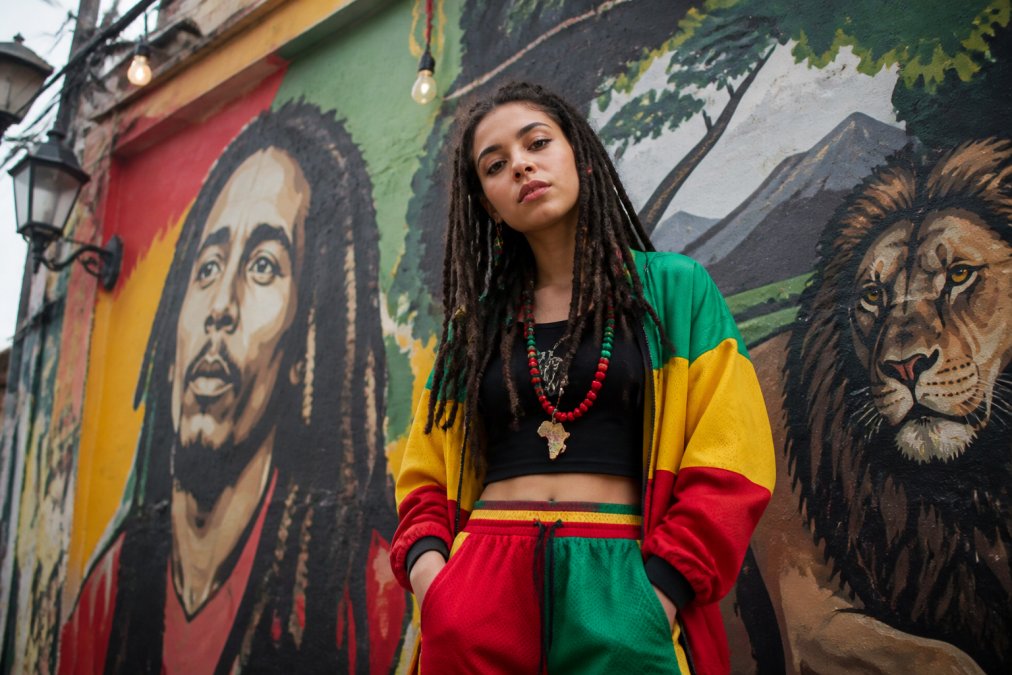
Reggae culture's influence on streetwear fashion runs far deeper than red, gold, and green colour schemes. It's about wearing your values. Conscious streetwear rooted in reggae aesthetics communicates political awareness, cultural pride, and commitment to Pan-African consciousness.
The connection between reggae and streetwear emerged from urban youth culture and the counterculture movements of the 1970s and 1980s. Young people adopted reggae-inspired clothing as a form of artistic expression and social statement. Dreadlocks, bold colours, and symbolic imagery became visual language for those rejecting mainstream conformity. Today, that tradition continues: wearing reggae-conscious clothing is an active choice to express identity and values.
Reggae Store's streetwear collection demonstrates this philosophy directly. The Jam Rock Republic Tee features bold, expressive Jamaican-inspired graphics celebrating culture, strength, and island pride. The No Kings Tee makes an explicit political statement, designed for supporters of Jamaica's future as a sovereign republic, it's available in rich off-tones and unisex fit for all ages. These pieces aren't just clothing; they're conversation starters for the conscious and the proud.

The key difference between reggae-conscious streetwear and generic reggae merchandise is intentionality. Authentic pieces blend Pan-African consciousness with street-smart sophistication. They work for outdoor gatherings, campaigns, and everyday wear because the design is subtle enough for casual settings yet bold enough to make a statement.
3. Weave Reggae Into Your Daily Music and Sound System
Building a daily reggae listening practice roots you in the culture's philosophical foundation. Reggae isn't background music, it's a practice of consciousness and community engagement.
The sound system tradition itself is central to reggae culture. Sound systems originated in Jamaica as mobile DJ setups that brought music to communities, creating spaces for unity and celebration. They became platforms for cultural expression, where DJs didn't just play records but shaped the evening's vibration and energy. This tradition emphasises the social, communal aspect of reggae, music as a gathering force.
Incorporating reggae into daily life means treating music as intentional practice rather than passive consumption. Start your morning with roots reggae to set a conscious tone. During work, explore lovers rock for its meditative, uplifting qualities. In the evening, engage with contemporary reggae artists who carry the tradition forward.
The Reggae Vibes Ultimate Curated Playlist Guide includes 50+ essential tracks organised by mood and era. It provides Spotify and YouTube playlist links, so you can build your own sound system at home. The guide's artist spotlights help you understand why each track matters to reggae's cultural narrative.
Creating a dedicated listening space, even a corner with good speakers, transforms the experience. The rhythm and vibration of reggae demand attention. When you listen actively, you're not just hearing music; you're engaging with a tradition of resistance, spirituality, and joy.
4. Engage in Social Justice and Activism
Reggae's roots in social upheaval make activism a natural extension of the culture. The music emerged from Jamaica's struggle for independence and equality, and it became a global voice for the oppressed and marginalised.
Bob Marley, Peter Tosh, and other reggae pioneers weren't entertainers first, they were activists. Their music articulated demands for justice, dignity, and liberation. Reggae became the soundtrack to civil rights movements, anti-apartheid campaigns, and Pan-African consciousness worldwide. This isn't accidental; reggae's DNA includes radical politics and a commitment to human rights.
Incorporating reggae culture into daily life means engaging with its activist legacy. This could mean supporting causes aligned with reggae's values: environmental justice, racial equality, Indigenous rights, and anti-colonialism. It means staying informed about social movements and contributing your voice and resources.
Wearing reggae-conscious streetwear at protests, community gatherings, and campaigns is itself a form of activism. The No Kings Tee, for instance, embodies political consciousness, it's designed for those who believe in Jamaica's future and want to wear that conviction visibly. The Jam Rock Republic Jacket, a limited-edition piece for lovers of Jamaican and reggae culture, becomes a statement when worn at gatherings for social change.
5. Connect With Your Heritage and Black History
Reggae culture is inseparable from Black history. The music emerged from Jamaica's African diaspora, carrying the memory of enslavement, resistance, and liberation. Understanding reggae means understanding the historical roots that shaped it.
The Rastafarian movement, deeply intertwined with reggae, emphasises connection to African heritage and the recognition of Emperor Haile Selassie I as a spiritual figure (Rastafarianism: When Religious Beliefs Conflict With Medical Necessity, A Case Report and...). This wasn't mere religious practice, it was a radical assertion of Black dignity and African identity in a post-colonial world. Reggae became the vehicle for spreading this consciousness globally.
Incorporating reggae culture into daily life includes actively learning Black history. This means studying the transatlantic slave trade, Caribbean colonialism, and the resistance movements that shaped modern Jamaica. It means understanding how reggae emerged as a voice for those whose histories were erased or distorted.
Reggae Store's digital art prints, including the Lion of Judah design and the Bob Marley Tribute, serve as visual anchors for this connection. The Lion of Judah blends iconic reggae symbolism with red, gold, and green tones, tropical leaves, and radiant sun rays. These pieces, displayed in homes and workspaces, become daily reminders of cultural pride and heritage preservation.

Reading about reggae history, listening to interviews with artists, and seeking out documentaries deepens this connection. The more you understand reggae's historical context, the more meaningful your daily engagement with the culture becomes.
6. Share Reggae Culture With Children Through Play and Learning
Reggae culture thrives when passed to the next generation. Children raised with reggae music and cultural consciousness grow up understanding identity, justice, and community in fundamentally different ways.
The Reggae Bee, a children's book by Claudine Boothe, introduces young readers to Caribbean culture through a joyful adventure.
7. Celebrate Reggae Culture Through Art, Home Décor, and Community
Reggae culture lives in spaces where people gather and create. Celebrating it through art, home décor, and community engagement anchors the culture in everyday environments.
Frequently Asked Questions
How can reggae culture influence my daily lifestyle and values?
Reggae culture embodies consciousness, unity, and social justice, values you can live through your choices. From the music you listen to, the conscious streetwear fashion you wear, to the activism you engage in, reggae offers a framework for living authentically. The culture promotes mindfulness, community engagement, and empowerment, allowing you to make intentional decisions that reflect your beliefs about heritage, equality, and artistic expression.
What are 5 essential roots reggae artists for beginners to start with?
The Reggae Vibes Ultimate Curated Playlist Guide (£4.99) organises essential tracks by era and mood, making it easier to discover foundational artists. Roots reggae established the musical and philosophical roots of the genre, connecting rhythm to consciousness and social upheaval. Starting with this curated guide helps you understand how reggae's musicology developed and how it shaped the culture's identity as a force for social justice and cultural preservation.
Is conscious streetwear fashion just about making a political statement?
Conscious streetwear fashion is about authentic self-expression and ethical consumerism. It's not preachy, it's purposeful. Pieces like the Jam Rock Republic Tee (£45.00) or No Kings Tee (£60.00) blend vibrant Jamaican-inspired graphics with wearable sophistication, suitable for everyday wear, outdoor campaigns, or casual hangouts. Quality materials and intentional design mean you're investing in pieces that last, feel good, and allow your values to speak subtly yet boldly without compromising comfort or style.
How can I introduce reggae culture to my children?
The Reggae Bee children's book (£22.00) tells a heartwarming story of resilience and friendship set in Jamaica, while the Reggae Kids Digital Activity Sheet (£1.99) offers fun, educational colouring activities featuring Caribbean culture. These resources introduce children to musical tradition, island heritage, and cultural pride in age-appropriate ways. Pairing these with reggae music creates a multi-sensory introduction to the roots, rhythm, and values that define the culture.