


Express Personal Values Through Fashion for Streetwear
Table of Contents
- Why Express Personal Values Through Fashion Matters
- Step 1: Define Your Core Values and What They Mean
- Step 2: Understand Cultural Influence in Streetwear
- Step 3: Audit Your Wardrobe Against Your Values
- Step 4: Build a Capsule Wardrobe That Reflects Your Identity
- Step 5: Choose Conscious Streetwear Brands Aligned With Your Beliefs
- Common Mistakes When Building a Values-Based Streetwear Wardrobe
- How to Sustain Your Values-Driven Fashion Practice
- Frequently Asked Questions
Last Updated: September 27, 2026
Why Express Personal Values Through Fashion Matters
Clothing is never just fabric. Every piece someone wears sends a message about who they are and what they believe in. When you express personal values through fashion, something shifts, the wearer feels authentic, confident, and grounded.
This is especially true in streetwear culture. Streetwear has always been about more than trends. It's about identity, resistance, and self-expression. Reggae culture has shaped this landscape profoundly, infusing streetwear with consciousness, purpose, and Pan-African pride. At Reggae Store, we understand that expressing personal values through fashion isn't a luxury, it's a necessity for people who refuse to be silent through what they wear.
Most people know what they like but not what they believe in. Without clarity, wardrobe choices feel scattered. A values-driven wardrobe becomes a tool for self-affirmation and cultural connection, where every item serves a purpose beyond aesthetics.
Step 1: Define Your Core Values and What They Mean
Before choosing any piece of clothing, define what actually matters. Values aren't abstract, they're specific beliefs that shape daily decisions.
Write down three to five core values: What do you stand for culturally? What messages should your appearance communicate? If reggae culture resonates with your worldview, acknowledge it.
Translate each value into a practical principle. "Pan-African pride" means seeking brands that celebrate Caribbean and African heritage. This becomes your filter: Does this align with my values? If not, it doesn't belong in your wardrobe.
Step 2: Understand Cultural Influence in Streetwear
Streetwear doesn't exist in a vacuum. It's shaped by the cultures and communities that wear it. Understanding these influences helps you make choices that feel authentic rather than appropriative.
Reggae culture has shaped streetwear since the 1970s, carrying messages of liberation, resistance, and Pan-African consciousness into the clothes people wear to express solidarity and pride.
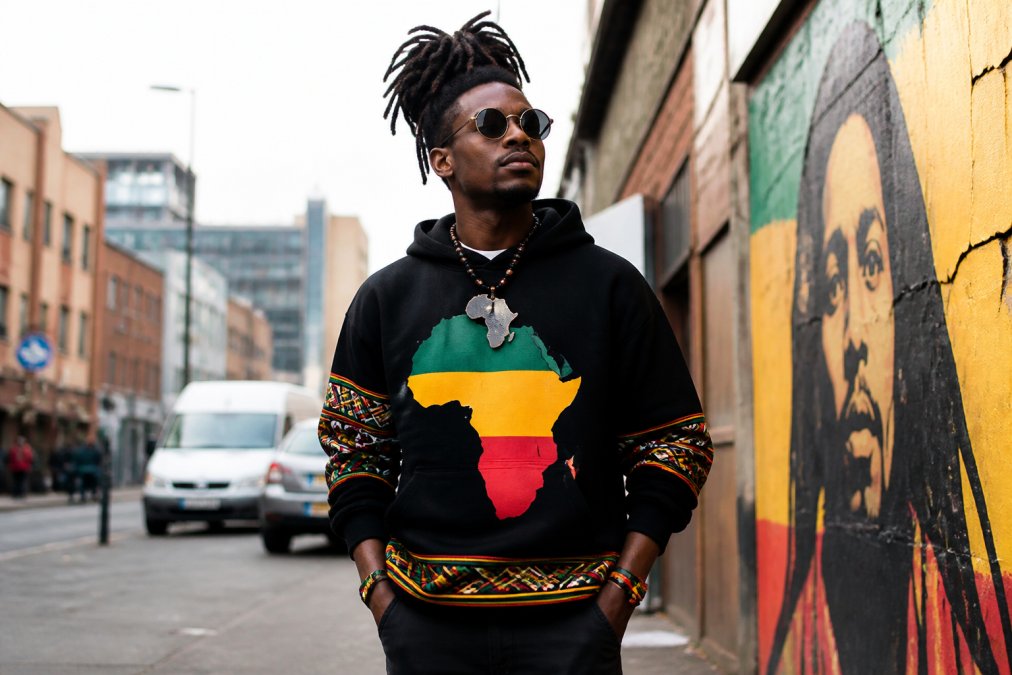
How Reggae Culture Shapes Authentic Streetwear
Reggae culture values authenticity, resistance to conformity, and celebration of identity. When someone wears reggae-conscious streetwear, they participate in a lineage of cultural expression rooted in liberation and Pan-African pride.
Pieces like the Plagiarise My Humanity Tee or No Kings Incognito Hoodie carry cultural weight, statements rooted in reggae consciousness, not generic graphics. Seek brands that genuinely respect the cultures they draw from, not those that exploit aesthetics for profit.

Step 3: Audit Your Wardrobe Against Your Values
Examine your wardrobe to understand which pieces serve your identity. For each item, ask: Does this reflect my values? Have I worn it five+ times this year? Would I buy it again knowing what I now know? Be honest, items that don't align are normal to find.
The Values-Per-Wear Framework
Use values-per-wear instead of cost-per-wear: Does this piece communicate my beliefs every time I wear it? A generic hoodie worn 40 times carries no message. The No Kings Incognito Hoodie worn 30 times reinforces reggae-conscious values each wear. Higher upfront investment in conscious streetwear delivers better value, you're buying a tool for daily self-affirmation.
Sort pieces into three categories: (1) Keep and celebrate, items reflecting your values worn 5+ times yearly; (2) Donate or repurpose, items misaligned or outgrown; (3) Replace strategically, gaps where conscious pieces would increase values-per-wear. This reveals patterns: Do you have statement pieces? Comfortable everyday wear? Pieces from brands genuinely connected to reggae culture? These gaps guide your next purchases.
Identifying False Consciousness
Flag pieces that appear values-aligned but aren't. A tee with Pan-African graphics from a brand exploiting those aesthetics without respecting reggae culture is cultural appropriation. If you can't articulate why the brand matters, that's a signal to reconsider.
Step 4: Build a Capsule Wardrobe That Reflects Your Identity
A capsule wardrobe built around your values becomes a powerful tool for self-expression. Start with basics: 2-3 quality neutral tees, one statement hoodie or jacket, comfortable trousers, and layering pieces. Add intentional statement pieces like the Autumnal Activist Jacket, No Kings Tee, or Plagiarise My Humanity Tee, items that carry your message and announce who you are.

Build slowly. Each piece should align with your values, work with existing items, be worn regularly, and come from a trusted brand. A capsule built this way requires fewer pieces but delivers more confidence.
| Element | Purpose | Frequency of Wear | Values Alignment |
|---|---|---|---|
| Basic tees (2-3) | Foundation, layering | Daily | Neutral or subtle |
| Statement tee (1-2) | Self-expression, conversation starter | 2-3x weekly | Direct alignment |
| Hoodie or jacket | Warmth, presence, visibility | 3-4x weekly | Strong alignment |
| Trousers or jeans (1-2) | Versatility, comfort | Daily or frequent | Neutral or subtle |
| Layering pieces | Seasonal adaptation | Varies | Neutral or subtle |
Step 5: Choose Conscious Streetwear Brands Aligned With Your Beliefs
Not all streetwear brands share the same values. Learning to tell the difference between profit-driven brands and those genuinely rooted in reggae culture is essential.
The Brand Vetting Framework
Ask: Can they explain the why behind their designs? A conscious brand tells stories about reggae artists, historical figures, or cultural movements that inspired pieces. The No Kings Incognito Hoodie draws from reggae's tradition of resistance to authority, rooted in decades of reggae philosophy. A brand worth supporting can explain that connection.

Ask: Do they acknowledge cultural context, not just aesthetics? Respectful brands credit cultural origins, explain reggae consciousness in their work, and engage with reggae's actual values (liberation, Pan-African pride, resistance to conformity) rather than just visual style. If a brand uses reggae imagery but their messaging lacks consciousness or community connection, that's a red flag.
Ask: Are pieces built to last?
-
Name their manufacturers or production locations
-
Discuss labour practices (fair wages, safe conditions, reasonable hours)
-
Explain material sourcing (organic, recycled, or ethically harvested)
-
Publish this information openly, not buried in footnotes
-
Collaborate with reggae artists or musicians
-
Support Pan-African initiatives or community projects
-
Attend reggae festivals or cultural events
-
Employ people from the communities they represent
-
Donate a portion of proceeds to causes aligned with reggae consciousness
What Reggae Store Exemplifies
Reggie Store demonstrates this framework in practice. Designs like the Plagiarise My Humanity Tee are intentional statements rooted in reggae philosophy, the title itself references consciousness and intellectual resistance. The Autumnal Activist Jacket serves those who show up for their communities in cooler months, blending practical streetwear with values-driven design.
Red Flags to Watch
Before committing to a brand, watch for these warning signs:
- Vague mission statements. "We celebrate diversity" without specifics is meaningless.
- No transparency on production. If they won't say where or how pieces are made, walk away.
- Rapid trend-chasing. A conscious brand doesn't pivot its entire aesthetic every season.
- Appropriation without acknowledgement. Using cultural imagery without crediting or respecting the source.
- Performative activism. Posting about causes on social media while their actual practices contradict those values.
- No engagement with the culture. They sell reggae-inspired pieces but have no connection to reggae communities or artists.
Common Mistakes When Building a Values-Based Streetwear Wardrobe
Most people stumble on the journey to a values-aligned wardrobe. Knowing what to avoid helps.
How to Sustain Your Values-Driven Fashion Practice
Building a values-based wardrobe is one thing. Maintaining it is another.
Frequently Asked Questions
How do I express personal values through fashion without looking preachy or too niche?
Intentional design matters more than bold slogans. Pieces like the Plagiarise My Humanity Tee blend intellectual reggae graphics with subtle aesthetics that spark conversation without demanding it. Choose garments that reflect your identity through quality, fit, and thoughtful messaging rather than aggressive statements. Pairing statement pieces with neutral basics creates balance, wear your values confidently, but let the garment's craftsmanship speak first. This approach works across casual hangouts, workplaces, and community gatherings.
What's the difference between cost-per-wear and values-per-wear when building a conscious streetwear wardrobe?
Cost-per-wear divides the price by how often you wear something; values-per-wear measures how consistently a piece aligns with your beliefs and identity. A £60 tee worn 100 times costs 60p per wear and delivers high values-per-wear if it reflects your authentic self. A cheaper piece worn twice costs less upfront but fails on both metrics. When you express personal values through fashion, prioritise garments that serve your identity long-term. Quality conscious streetwear from brands like Reggae Store is an investment in authenticity, not just clothing.
How can reggae culture influence my streetwear choices and personal identity?
Reggae culture embodies Pan-African consciousness, resistance, and spiritual grounding, values that translate directly into streetwear aesthetics. Pieces inspired by reggae heritage carry layers of meaning: they signal alignment with cultural pride, intentional living, and community solidarity. When you choose reggae-conscious designs, you're not just wearing graphics; you're connecting to a tradition of self-expression rooted in purpose. This cultural influence helps you build a wardrobe that feels authentic to who you are, whether you're at a community gathering, outdoor campaign, or everyday life.
How do I know if a streetwear brand truly shares my values?
Look beyond messaging to material choices, fit design, and transparency. Conscious streetwear brands should offer unisex or inclusive sizing, use quality fabrics built to last, and be clear about their production ethics. Brands like Reggae Store demonstrate commitment through specific design choices, autumnal jackets for outdoor activism, soft fabrics for comfort during long events, and intentional graphics that respect cultural heritage. Ask yourself: Does the brand's design serve my actual needs? Are they transparent about materials and production? Do their pieces support the communities they represent? These questions reveal whether alignment is genuine or superficial.